
Gorgeous And Grotesque
Source: Pinterest
Spoilers Ahead
Horror is often associated with darkness, decay, blood, and bodies pushed past the point where we want to keep our eyes open. Lately, though, some of the most highly praised horror releases reflect almost the opposite. They are beautiful to look at. Not beautiful despite their violence or grotesqueness, but often because the two are placed so deliberately beside each other.
Films like Nosferatu, Midsommar, and Bones and All are filled with images that are simultaneously romantic, gothic, and repulsive. Their horror isn't separate from their beauty; it lives in the same landscapes, bodies, costumes, and compositions. Robert Eggers' upcoming Werwulf, based on the trailer alone, also seems like a natural continuation of this kind of horror filmmaking that cares deeply about how the scene looks and not just cheap jump scares. Rather than simply making these films more visually appealing, beauty becomes another way to create discomfort.
Source: Esquire
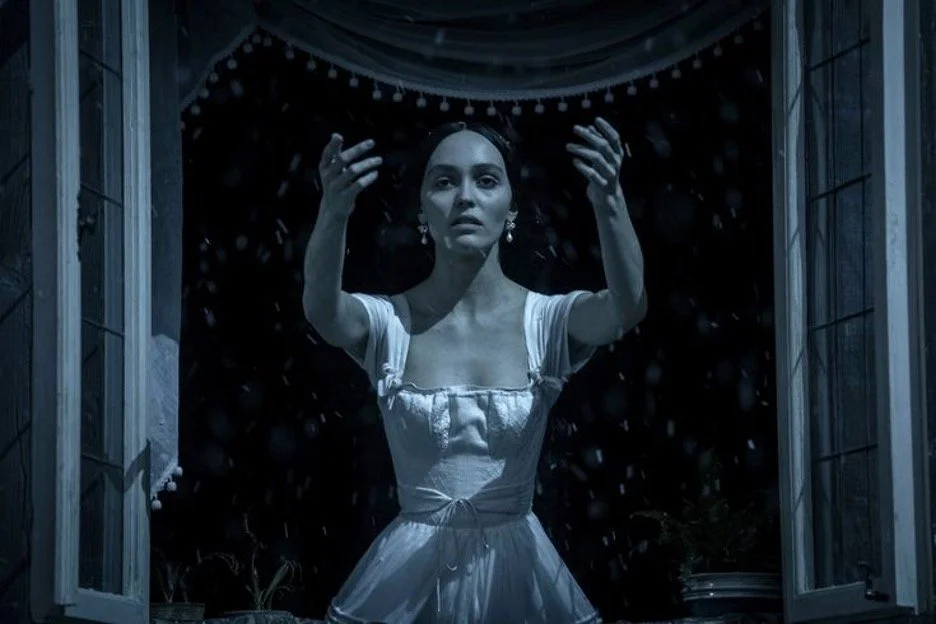
Robert Eggers' Nosferatu is probably the clearest, as well as my favorite, example of this recent horror trend. The story itself is filled with things that should be repulsive: nineteenth-century diseases, rats, corpses, monstrous sexuality, bodily deterioration, and Count Orlok himself (and his giant mustache). Yet Eggers presents that world with an almost obsessive attention to composition and aesthetics. So even in the cruelest, most bloodiest scenes, you are left to admire it.
The film starts off like a Gothic painting, and throughout the film, it starts to rot.
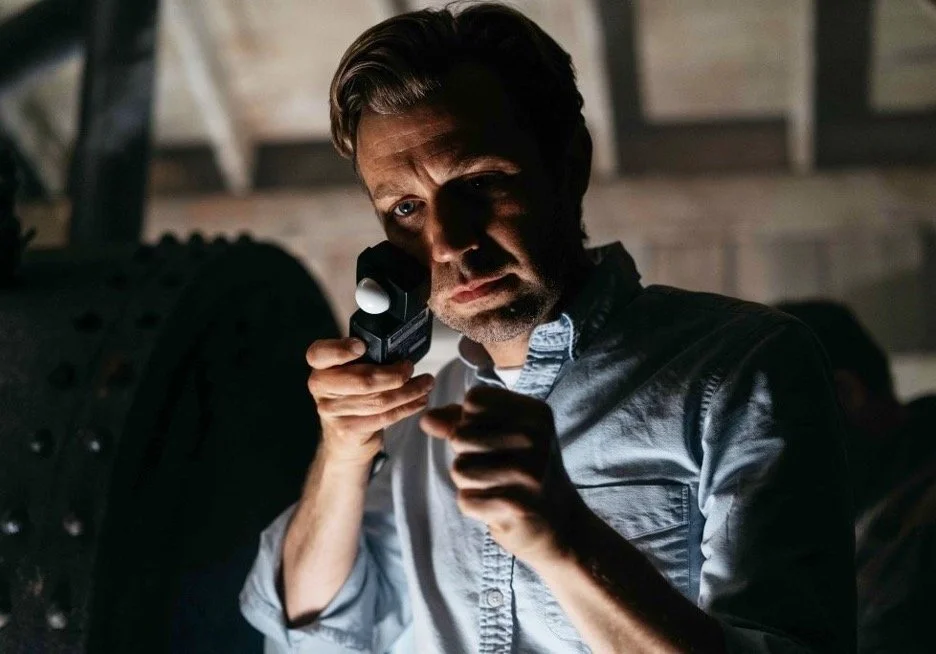
Much of that comes from cinematographer Jarin Blaschke's use of light and shadow. Characters appear in doorways, behind curtains, or surrounded by darkness, while moonlit sequences sometimes approach the monochromatic appearance of early cinema. In this film, it is heavily influenced by German Expressionism, which is fitting considering the film's relationship to F.W. Murnau's 1922 Nosferatu. But Eggers doesn't simply imitate the visual language of the silent film. He takes its exaggerated shadows and Gothic imagery and combines them with the detail and physicality available to contemporary filmmaking. It’s so beautiful because it’s just not something that we normally see in horror movies–or honestly, most mainstream movies at all.
Jarin Blaschke, Cinematographer
Source: IMDB
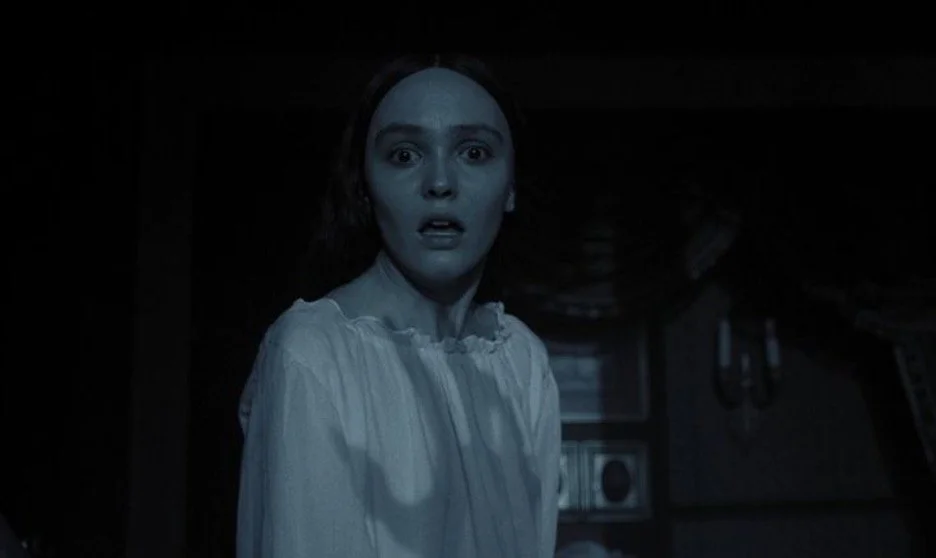
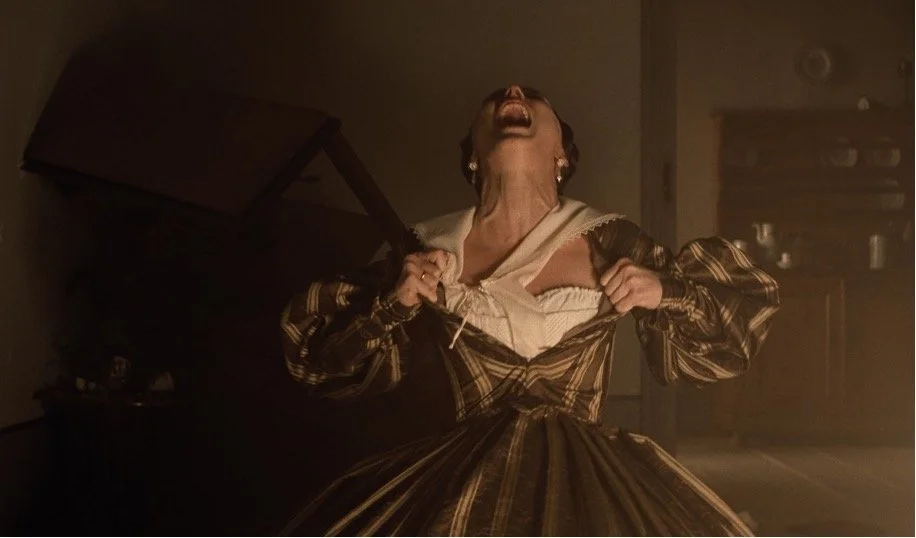
I also want to credit Lily-Rose Depp's Ellen. Her portrayal of the character is incredibly important to that visual world. She is frequently framed almost like the heroine of a nineteenth-century painting: pale skin, long nightgowns, incredibly long black hair, candlelight. At the same time, her body becomes one of the primary places where the horror of the film occurs. Desire, possession, illness, and death become difficult to separate. That is what makes the film's beauty feel purposeful rather than decorative. Nosferatu is a deeply romantic-looking film about an extremely destructive form of desire. Ellen's connection to the Orlock is filmed with an intimacy that complicates a simple monster-and-victim relationship. The imagery allows attraction and disgust to exist at once, especially in the final shot.
Source: Pinterest
Ari Aster, another horror mastermind, creates a completely different version of beautiful horror in Midsommar. Instead of shadows, candlelight, and Gothic interiors, almost everything is exposed. The horror happens in the daylight.
The Hårga community is surrounded by green fields, blue skies, white clothing, and lots and lots of flowers. The production design is so carefully coordinated that the environment initially feels more like an escape from horror rather than the setting of one. A safe and comfortable place. Even after the audience understands that something is deeply wrong, the film never abandons that visual beauty.
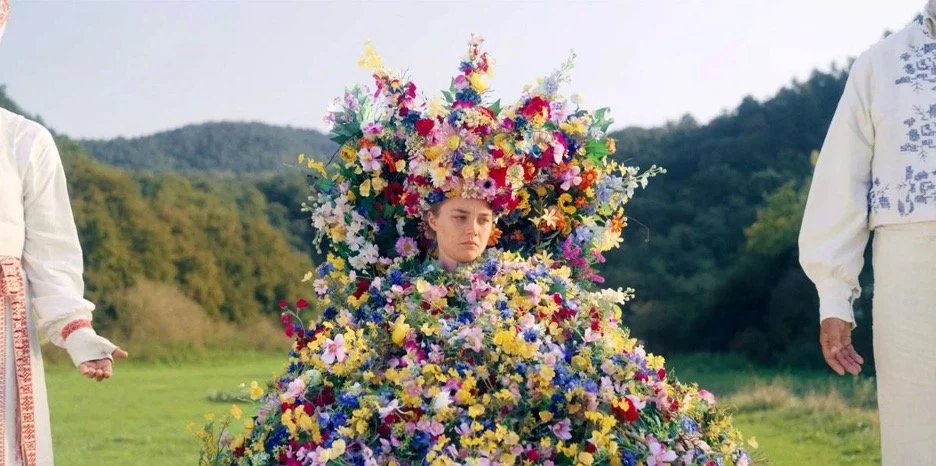
That changes the way violence feels. Aster doesn't give the audience darkness to prepare us for something frightening. Bodies are broken and bloody beneath blue skies. Blood splatters against white fabric. Dani's final transformation into the May Queen covers a traumatized Florence Pugh completely in flowers. The flower dress is beautiful, but by the time she wears it, beauty has become suffocating. Dani can barely move inside it. Her face is surrounded by flowers while she watches her boyfriend burn alive.
Source: Pinterest
It is an image that can look strangely exultant when isolated from the rest of the film. Within the narrative, it is much harder to categorize. Dani has found the emotional connection she was missing, but she has found it inside a community that has manipulated her grief and murdered the people she came with. The beauty of the final image doesn't resolve that contradiction. It makes it more uncomfortable.
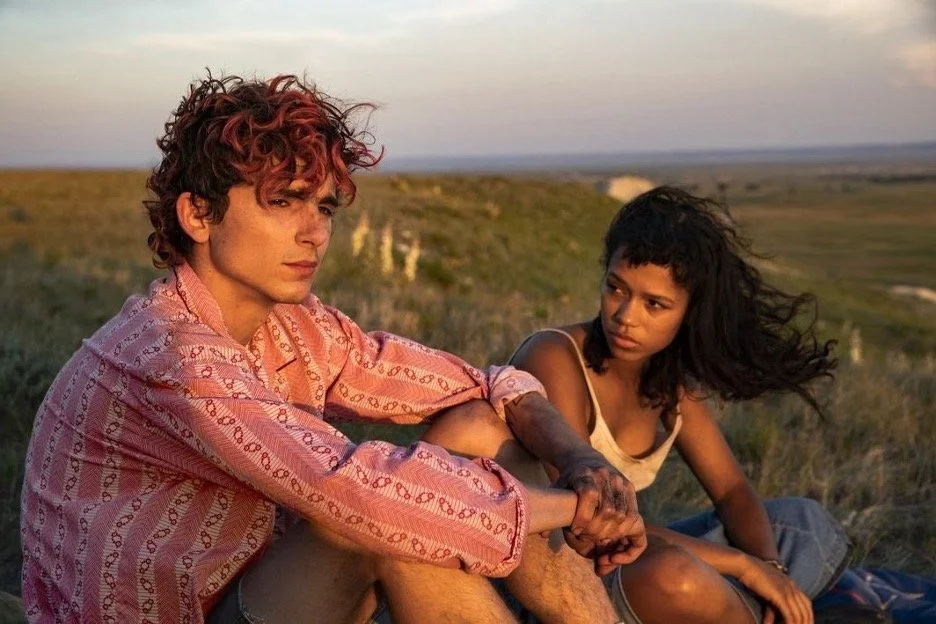
Luca Guadagnino's Bones and All approaches beauty from another direction entirely. It is a cannibal movie that frequently acts as a romantic American road film, because it sort of is. Lee and Maren travel through open highways, fields, small towns, and empty landscapes. Guadagnino gives them quiet moments that could easily belong to a conventional coming-of-age romance. Taylor Russell and Timothée Chalamet are photographed with tenderness, and their relationship has the awkward intimacy of two young people figuring out how to exist around each other.
Then they eat people.
What makes Bones and All effective as a horror piece is that the film doesn't visually separate those two realities. It doesn't suddenly become a different movie whenever cannibalism appears. Tenderness and violence belong to the same world. Cannibalism becomes a metaphor for love and the consumption of all the feelings a lover can give. This film is especially interesting because cannibalism is one of the most inherently grotesque subjects a film can depict. The destruction of the human body by another human is literal. But Guadagnino uses it alongside one of cinema's most romantic genres: running away together. There are sunsets, empty highways, temporary homes, and two outsiders moving across America together, trying to figure everything out.
Source: Pinterest
The film allows Lee and Maren to be horrifying without reducing them to monsters and jump scares. Their hunger becomes connected to intimacy, shame, and the desire to be understood by someone whose mind works the same way yours does. Even the title, Bones and All, turns an act of consumption into something that sounds strangely like total devotion: loving, or consuming, someone completely. That tension between attraction and revulsion is becoming one of the most notable spaces in modern horror.
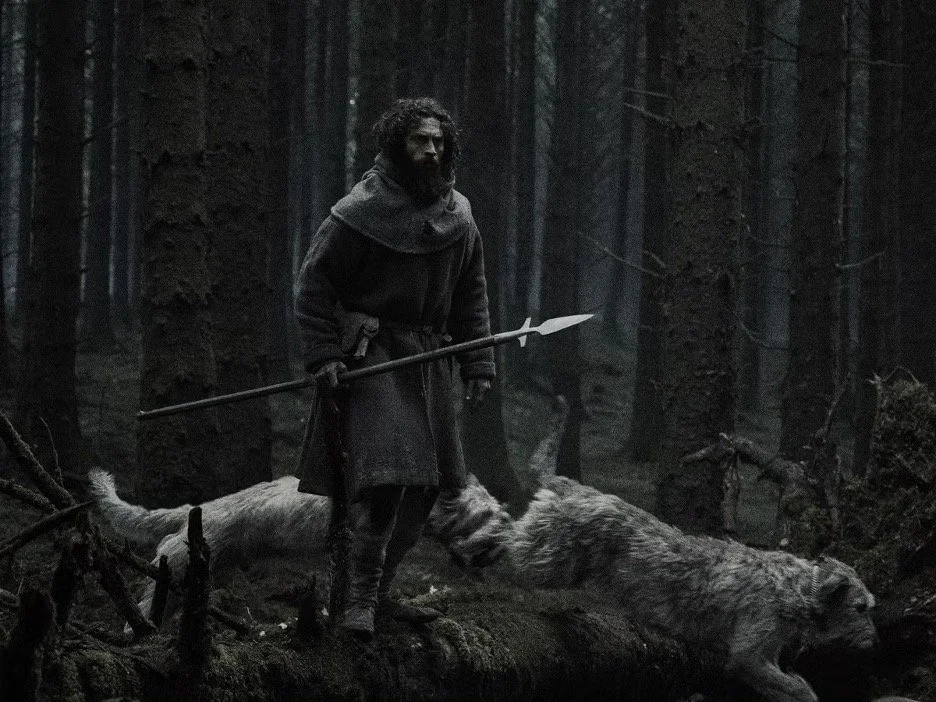
It is also part of what makes Robert Eggers' Werwulf interesting to anticipate. Eggers has repeatedly approached horror through historical specificity and material detail. The Witch, The Lighthouse, and Nosferatu don't feel like contemporary people wearing old costumes; their worlds are built around language, architecture, superstition, landscape, and physical texture. With Werwulf turning toward werewolf folklore, the body itself becomes an obvious site for that same mashup between beauty and grotesqueness. Werewolf stories are fundamentally about transformation. The recognizable human body becomes hairy, animalistic, and physically uncontrollable. There is something inherently cinematic about watching that boundary collapse. Especially within Eggers' style, that transformation also has the potential to be one of the best shots of 2026.
As viewers, we are used to understanding beauty as something we should move toward and the grotesque as something we should move away from. Horror can collapse that difference, and it has been. It can make a field of saturated flowers feel threatening. It can photograph a monster like a lover and a lover like something capable of consuming you.
The most memorable images in these films don't necessarily ask us to choose between gorgeous and grotesque. They make it difficult to tell the difference between the two.
Source: Just Jared
Strike Out,
Writer: Parker Snaith
Editor: Melany Rodriguez
Graphic Designer: Lexee Baker
Tallahassee